

Carbon credits can sound complicated. In reality, the idea behind them is simple. Here's how they work, and how they connect to conservation efforts right here in Chipanje Chetu.
Carbon Credits Explained
Trees absorb carbon dioxide (CO2) from the air. When forests are cut down, that stored carbon releases back into the atmosphere, contributing to climate change.A carbon credit represents one tonne of CO2 that has been kept out of the atmosphere. This might happen through protecting a forest that would otherwise be cut down, or through other verified environmental projects.
Companies and organisations buy carbon credits to balance out their own carbon emissions. In turn, that funding supports projects — like forest protection — that keep carbon locked safely in the ground.
Why Carbon Credits Matter
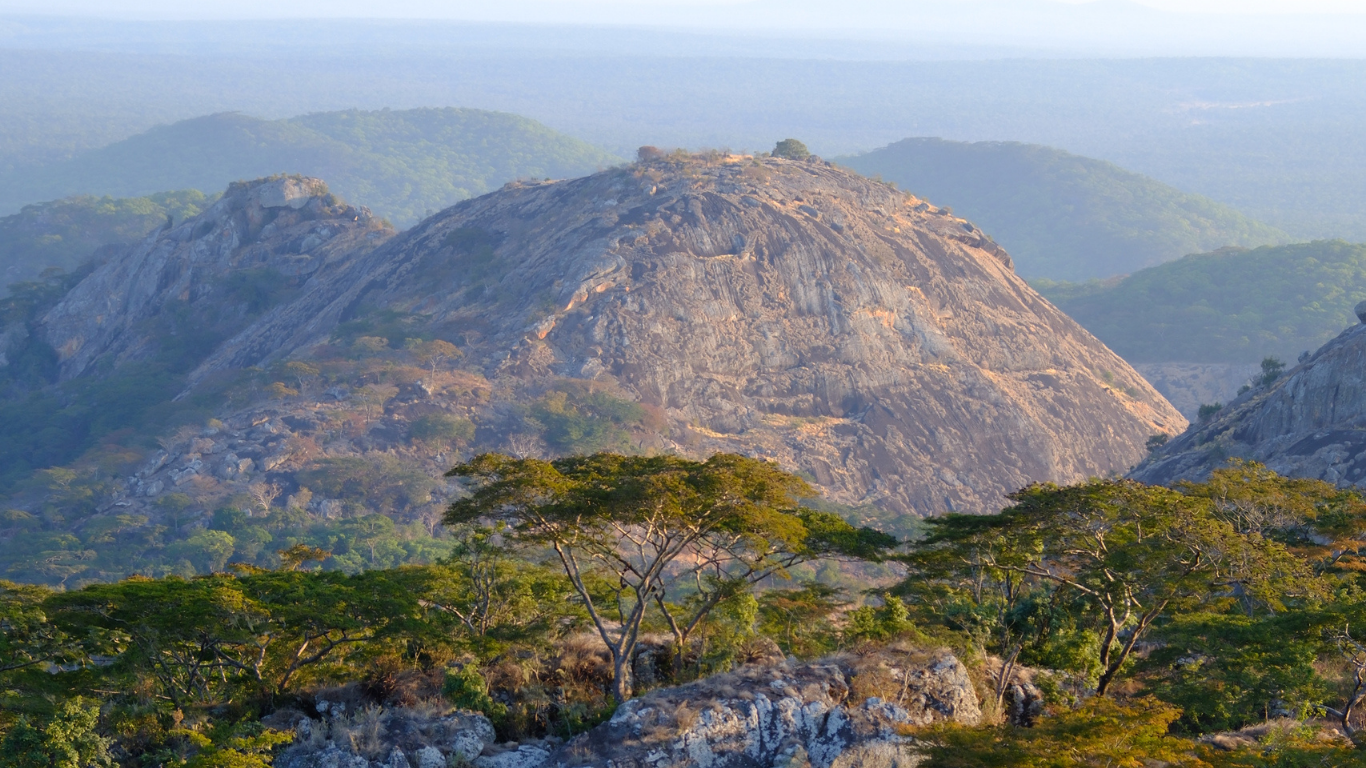
Carbon credits create a financial incentive to protect forests. Without this incentive, standing forests often hold more short-term economic value cut down than left standing. Carbon credits change that equation. As a result, protecting a forest becomes a source of income, not a missed opportunity.How Yambone Uses Carbon CreditsIn Chipanje Chetu, Yambone runs a REDD+ project. REDD+ stands for Reducing Emissions from Deforestation and Forest Degradation. The project protects 654,354 hectares of conservation area, including 334,361 hectares of intact Miombo woodlands.
By preventing deforestation across this landscape, the project is estimated to reduce 280,000–320,000 tonnes of CO2 emissions every year. This reduction is verified under Verra's Verified Carbon Standard (VCS) and Climate, Community & Biodiversity (CCB) Standards, generating Verified Carbon Units (VCUs) — one type of carbon credit.
Where the Funding Goes
Revenue from carbon credit sales supports the communities of Chipanje Chetu directly. It strengthens local governance, healthcare, education, and agriculture, while reducing reliance on natural resources for daily livelihoods. In this way, carbon credits connect two goals: protecting forests and supporting the communities who steward them.